Dental Implants

What are dental implants?

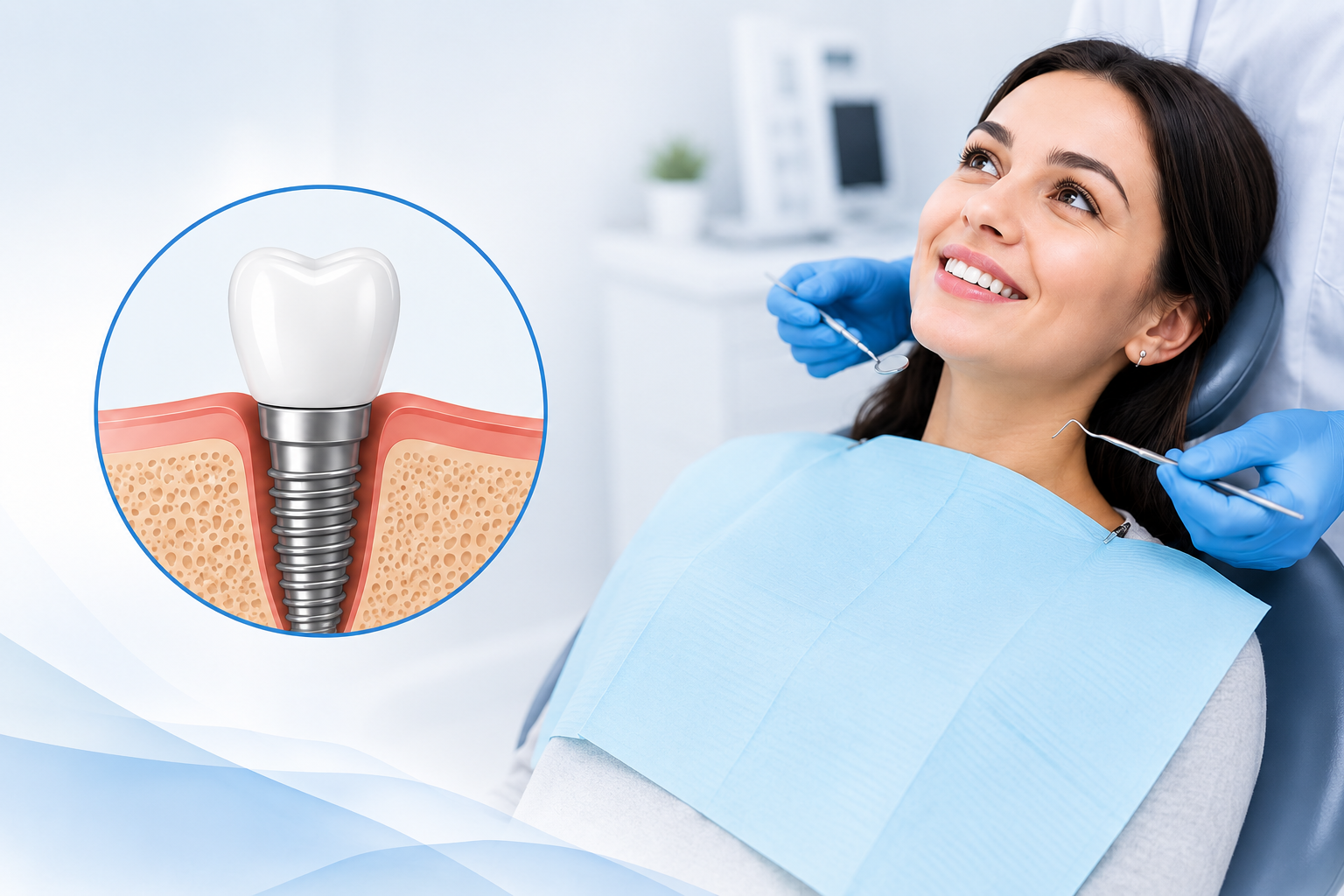
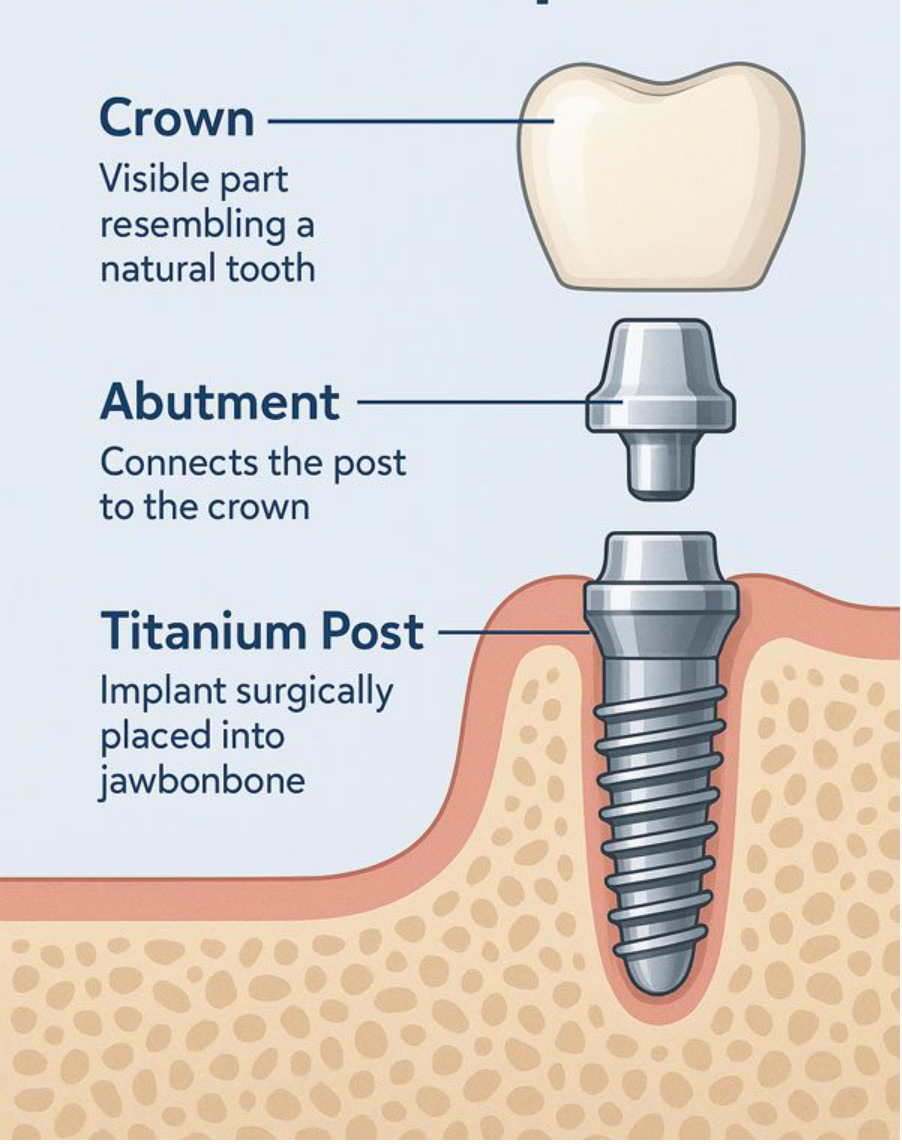
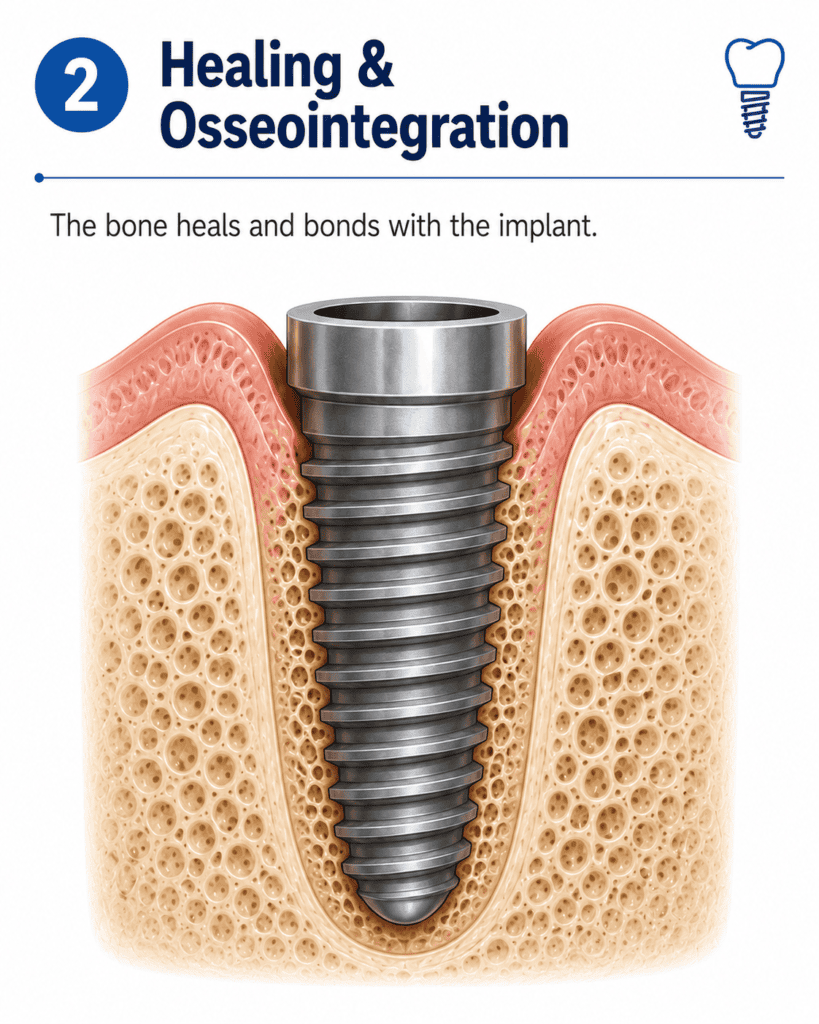
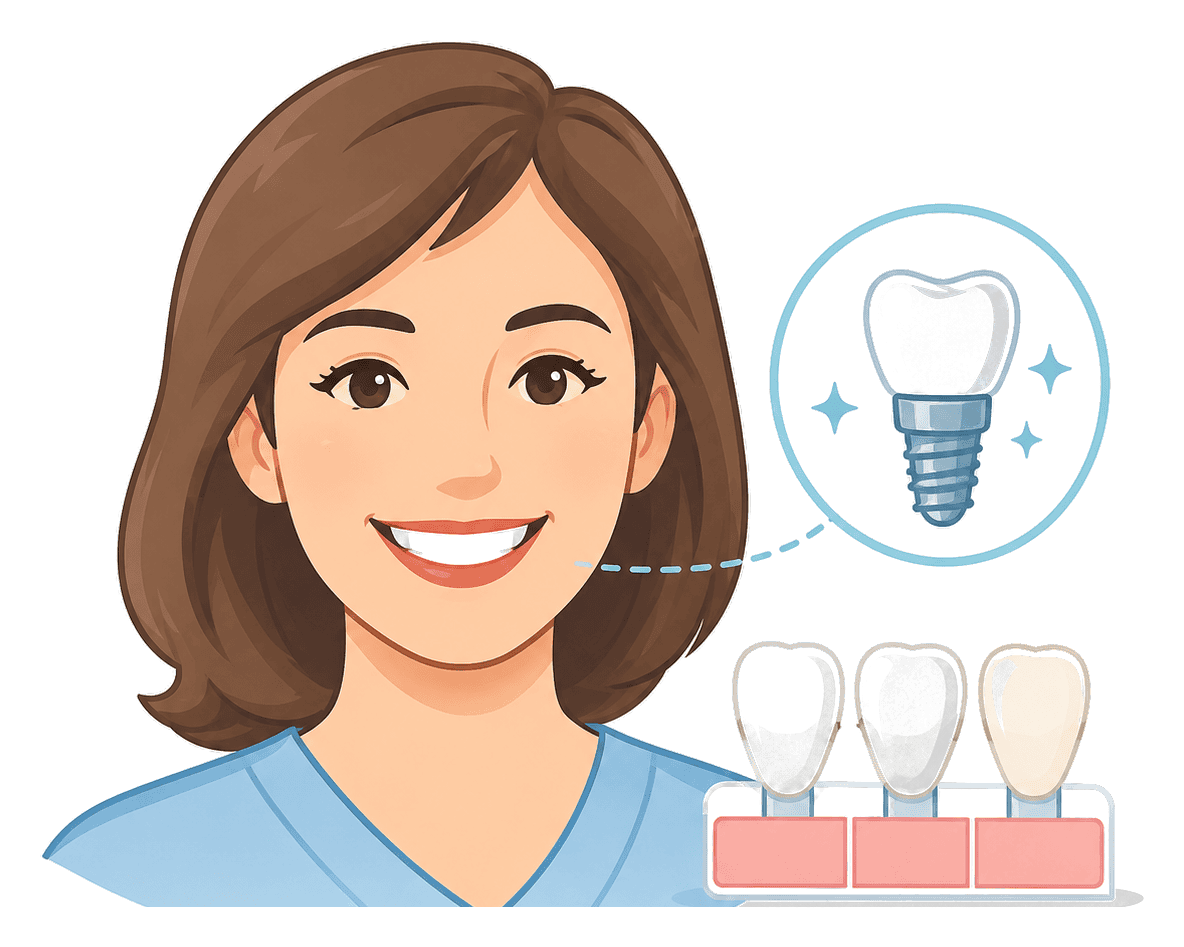
A dental implant is an artificial tooth root made from medical-grade titanium or ceramic that is placed into the jawbone. Over time, the implant bonds naturally with the surrounding bone through a process called osseointegration, creating a strong and stable foundation for replacement teeth.

Unlike dentures or bridges, implants replace the tooth root as well as the visible tooth, helping preserve your jawbone and facial structure.

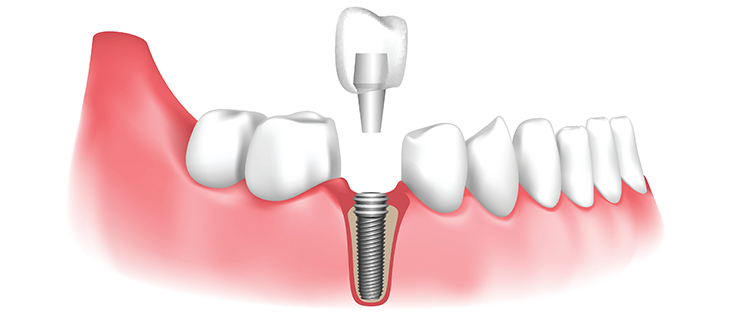
A dental implant consists of three parts:

Implant Fixture

Titanium or ceramic screw placed into the jawbone.

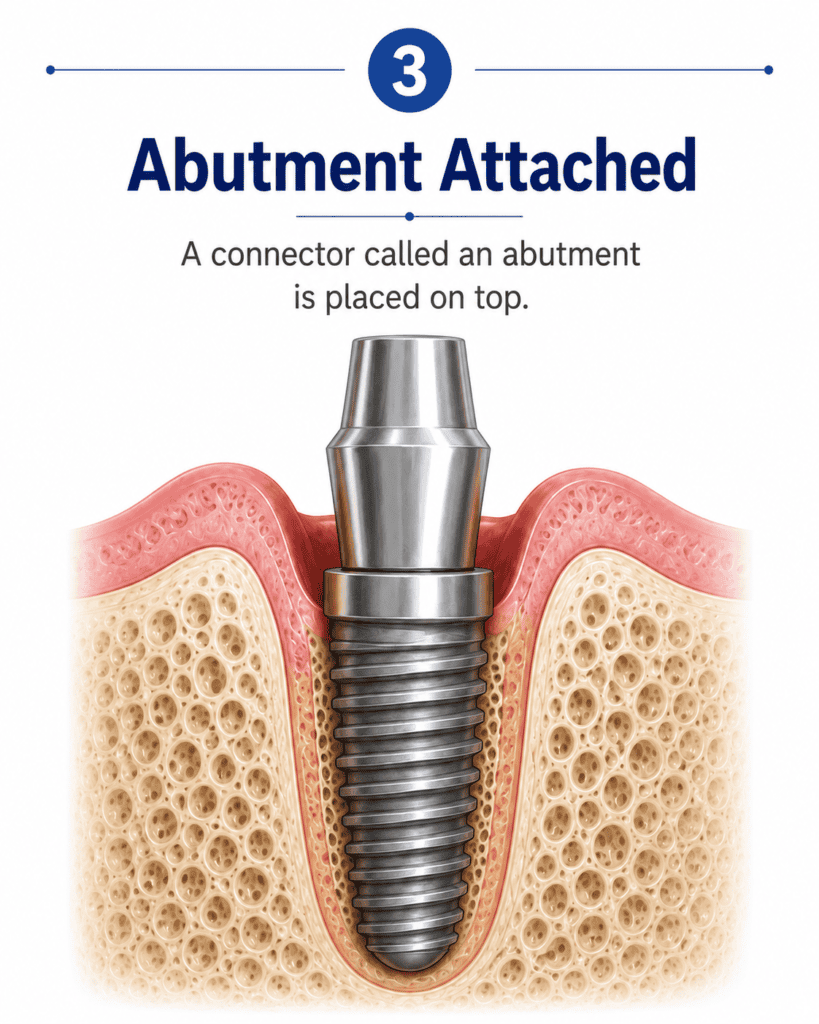
Abutment

Connects the implant to the final tooth.

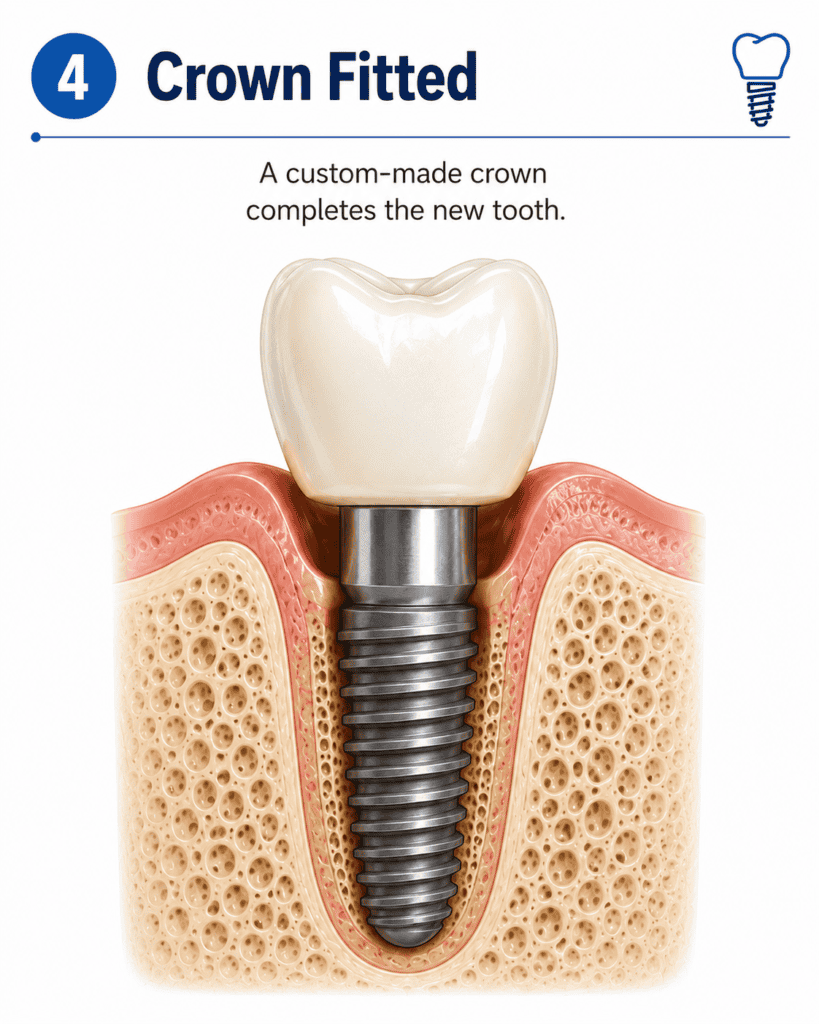
Crown

A custom-made porcelain or zirconia tooth designed to match your natural smile.

How does a dental implant work?

Why Choose Dental Implants?

Natural appearance

Designed to match the colour, shape and size of your natural teeth.

Eat comfortably

Enjoy steak, apples and your favourite foods without worrying about loose dentures.

Speak confidently

No slipping or movement while talking.
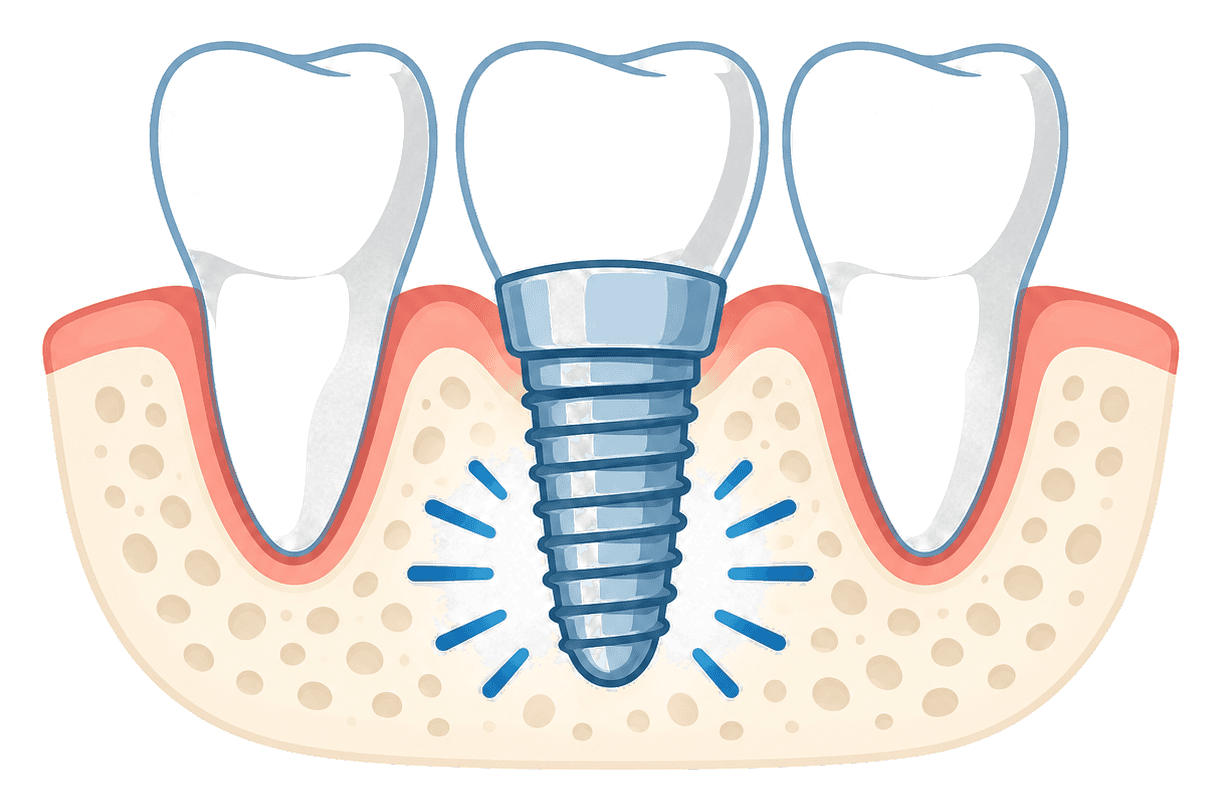
Preserve jawbone

Implants stimulate the bone and reduce bone loss after tooth removal.
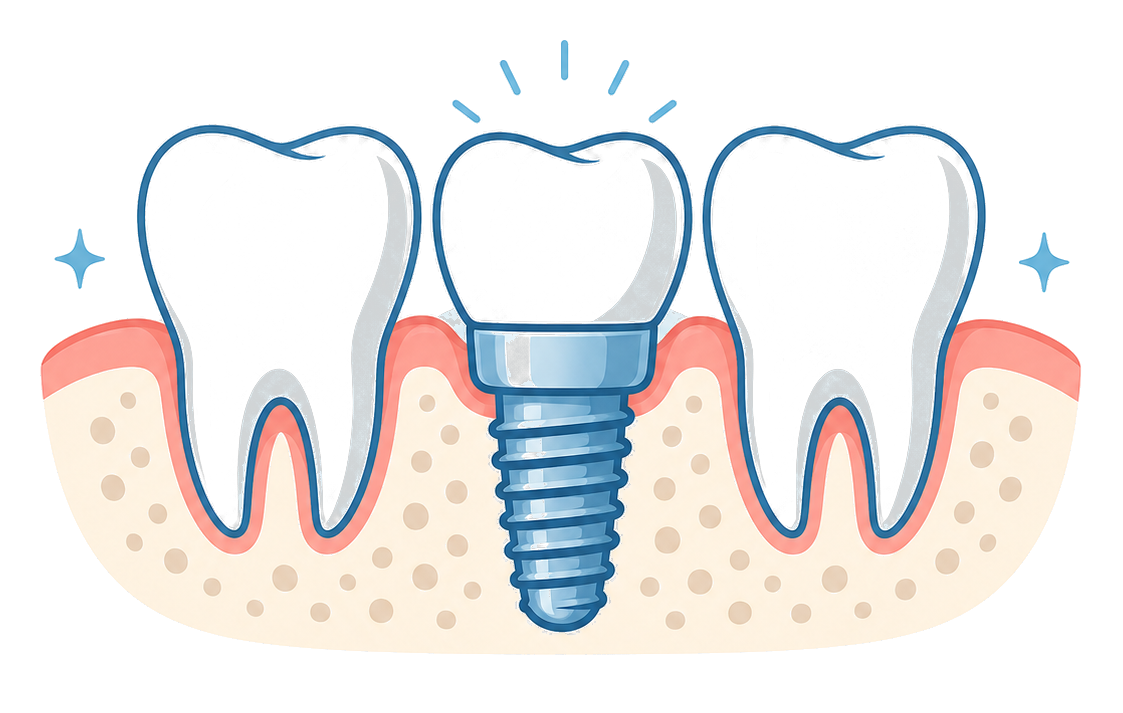
Protect neighbouring teeth

Unlike traditional bridges, healthy teeth usually do not need to be trimmed.

Long-lasting solution

With excellent care, implants can last for many years and often decades.

Who Can Have Dental Implants?

Most healthy adults are suitable candidates

You may be suitable if you:

  • Have one or more missing teeth
  • Have healthy gums
  • Have adequate jawbone
  • Are in good general health
  • Are a non-smoker or willing to stop smoking during healing
  • Have completed jaw growth (usually over 18 years)

You may need additional treatment if you have:

  • Bone loss
  • Gum disease
  • Uncontrolled diabetes
  • Heavy smoking habits
  • Certain medications affecting bone healing
  • Teeth grinding
Even if you've previously been told you don't have enough bone, modern techniques such as bone grafting or sinus lifting may make implants possible.
Types of Dental Implants

Single Tooth Implant

Ideal for replacing one missing tooth.

Benefits:

  • No damage to neighbouring teeth
  • Looks completely natural
  • Easy to clean


Implant Bridge

Perfect when several teeth are missing together.

Benefits:

  • Fewer implants required
  • Strong and stable
  • Replaces multiple teeth

Implant-Supported Denture

Provides dramatically improved stability compared with traditional dentures.

Benefits:

  • No slipping
  • Better chewing
  • Increased comfort
  • Easy to remove (depending on design)

Full Arch Implants

Replace all teeth in the upper or lower jaw using strategically placed implants.

Often suitable for patients currently wearing dentures.

Are Dental Implants Painful?

Most patients are pleasantly surprised by how comfortable the procedure is.

Treatment is carried out under local anaesthetic, and many patients report that implant placement is easier than having a tooth removed.

Any mild discomfort after surgery is usually well managed with pain relief and settles within a few days.


How Long Do Dental Implants Last?

Dental implants have excellent long-term success rates

With:

  • Good oral hygiene
  • Regular professional maintenance
  • Routine dental check-ups
  • Healthy lifestyle habits

Many implants can last decades.

Caring for Dental Implants

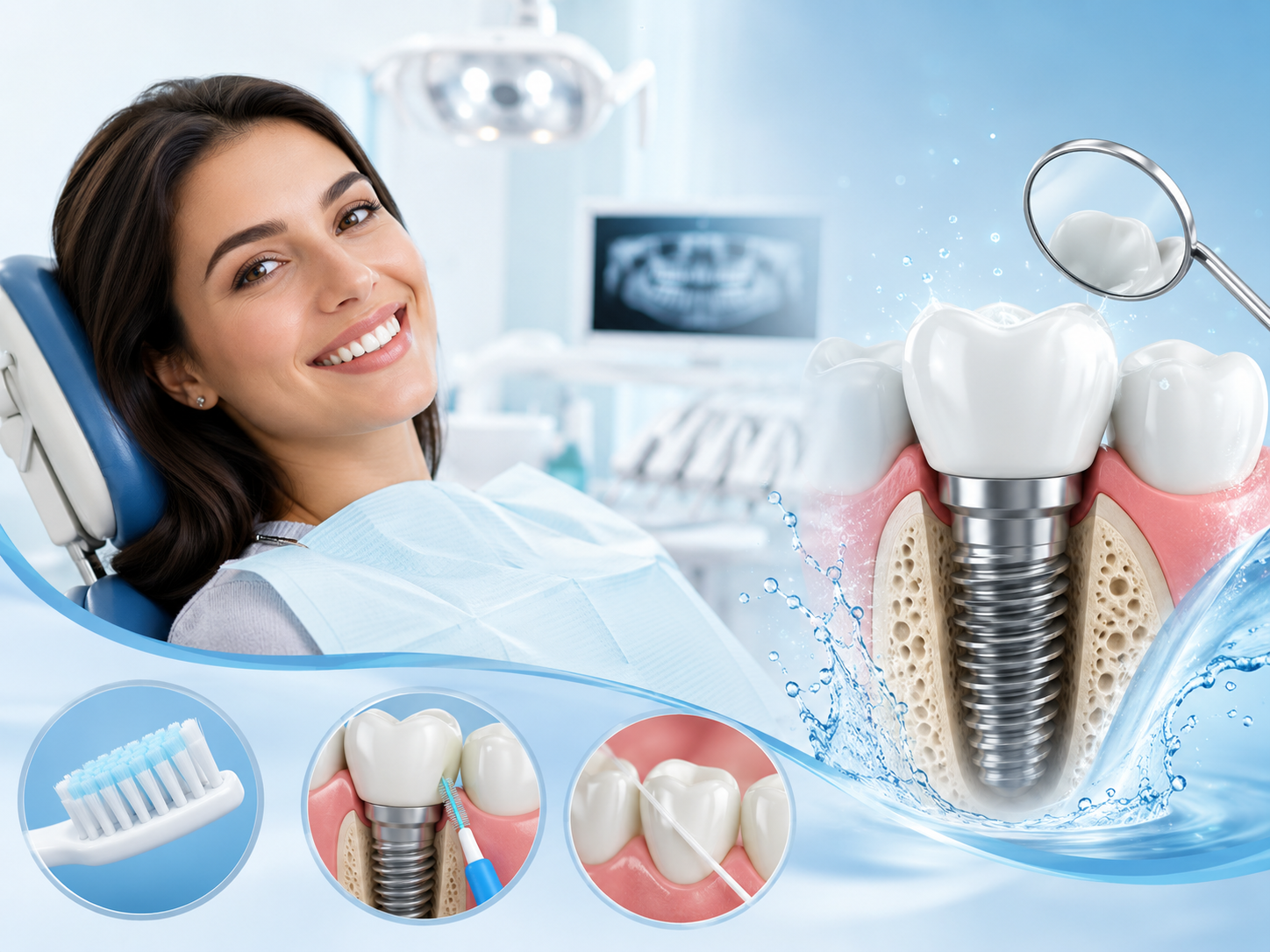
Keeping your implant healthy is similar to caring for natural teeth.

Daily care includes:

  • Brushing twice daily
  • Cleaning around implants with floss or interdental brushes
  • Using any recommended implant cleaning aids
  • Regular dental examinations
  • Professional hygiene appointments

Good maintenance is one of the biggest factors in long-term implant success.

Frequently Asked Questions

Is everyone suitable for implants?
Most adults are, although some may need additional treatment such as bone grafting first.

Yes. Full-mouth implant solutions can replace an entire upper arch, lower arch or both.

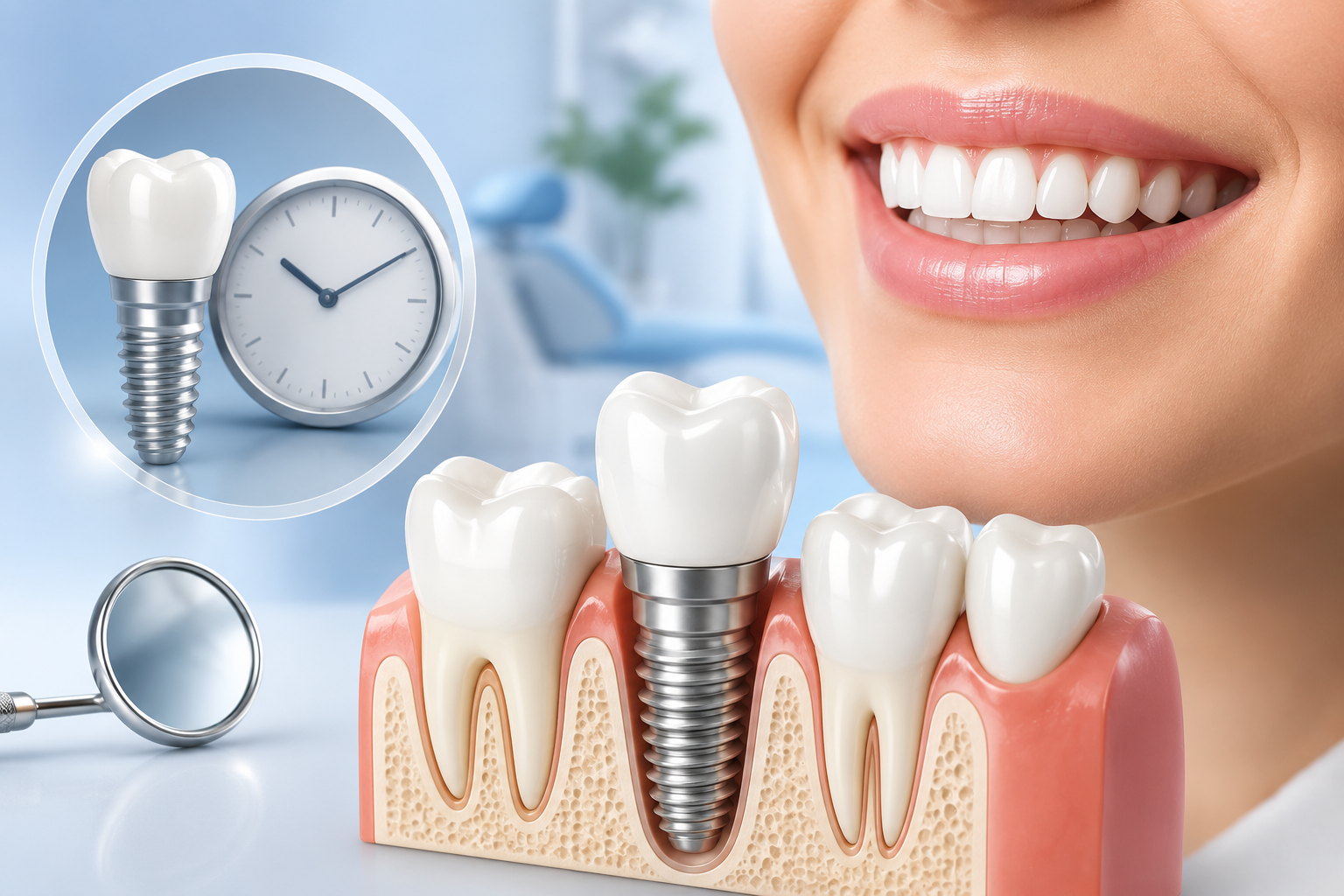
Depending on your case, treatment may take several months from implant placement to the final restoration, although some patients may be suitable for immediate provisional teeth.

Implants generally provide greater stability, chewing efficiency and comfort while helping preserve the jawbone. The best option depends on your individual needs and oral health.

Download Brochure and Learn More

If you’d like to book a consultation or simply ask a question, please get in touch using the form below!